
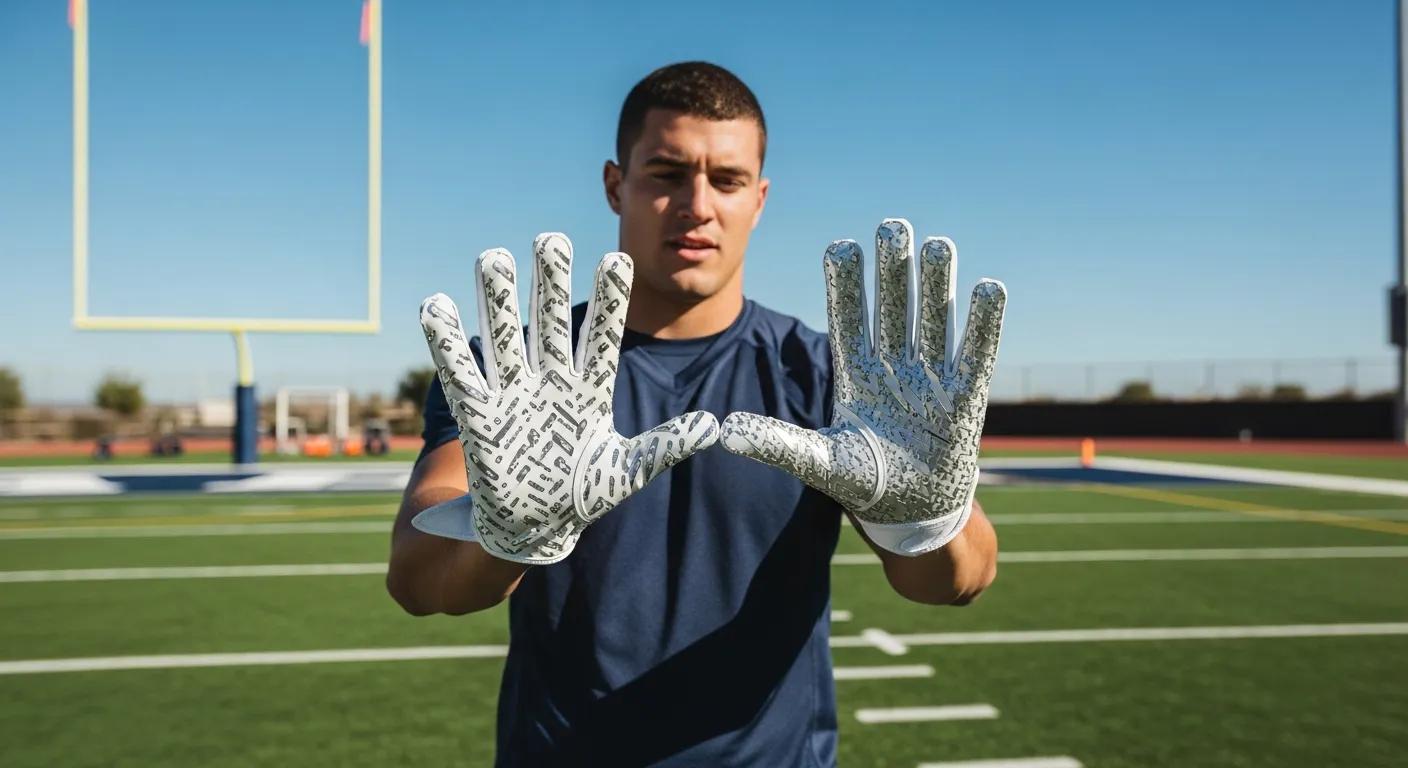
In the world of football, the right gloves can significantly enhance a player’s performance on the field. Receiver gloves and lineman gloves serve distinct purposes, tailored to the specific needs of different positions. This article will explore the key differences between these two types of gloves, helping players make informed decisions based on their roles and performance requirements. Understanding the unique features of receiver and lineman gloves is essential for optimizing grip, protection, and overall effectiveness during gameplay. We will delve into their design, padding, grip technology, and specific features, providing guidance on selecting the best option for your needs.
Receiver gloves and lineman gloves are designed with different functionalities in mind, catering to the unique demands of their respective positions. Receiver gloves are primarily focused on enhancing grip and ball control, allowing players to catch passes with precision. In contrast, lineman gloves prioritize protection and durability, providing the necessary support for blocking and tackling. The differences in design and functionality are crucial for players to understand, as they directly impact performance on the field.
Understanding the fundamental design and material considerations is crucial when tailoring gloves to a player’s specific position and athletic needs.
Position-Specific Football Glove Design and Materials
, position specific, and materials that best suit the game of the athlete. First, it is important to understand the basic design and styles of the glove.
Design Approach for Youth Sports Equipment: Designing for the Children, 2005

Receiver gloves are specifically designed for catching the football, making them essential for wide receivers and defensive backs. These gloves enhance grip and control, allowing players to secure the ball during high-speed plays. On the other hand, lineman gloves are built for blocking and protection, catering to offensive and defensive linemen who engage in physical confrontations. The distinct purposes of these gloves highlight the importance of choosing the right type based on player position.
The padding in receiver gloves is minimal, allowing for greater flexibility and dexterity. This design enables receivers to make quick movements and adjustments while catching the ball. Conversely, lineman gloves feature additional padding to protect against impacts and abrasions during tackles and blocks. The extra cushioning in lineman gloves enhances safety without compromising functionality, making them suitable for the physical demands of the position.
Grip technology varies significantly between receiver and lineman gloves. Receiver gloves often utilize advanced grip materials that enhance traction, allowing players to catch the ball securely. These materials are designed to perform well in various weather conditions, ensuring reliable grip during games. In contrast, lineman gloves focus on durability, using robust materials that withstand the rigors of blocking and tackling. The grip technology in lineman gloves is engineered to provide a secure hold on opponents while maintaining the glove’s integrity.
The design and fit of receiver gloves are typically lightweight and form-fitting, allowing for maximum flexibility and comfort. This design is crucial for receivers who need to make quick, agile movements. Lineman gloves, however, are generally thicker and more protective, designed to withstand the physicality of the game. The fit of lineman gloves is often looser to accommodate the additional padding and provide a secure grip during confrontations.
Receiver gloves often come with features such as tacky surfaces for improved grip, lightweight materials for breathability, and fingerless designs for enhanced dexterity. Lineman gloves, on the other hand, may include reinforced stitching, extra padding in critical areas, and materials that offer both grip and durability. Understanding these specific features can help players select gloves that best suit their playing style and position.
When choosing between receiver and lineman gloves, players should consider their position and the specific demands of their role. Evaluating personal preferences for fit and comfort is also essential, as a well-fitting glove can enhance performance. For those looking for high-quality options, Scale Wears offers premium activewear designed for athletes, including specialized football gloves that cater to various positions and performance needs.
Receiver gloves are characterized by their lightweight construction and advanced grip technology. These gloves often feature tacky surfaces that enhance ball control, allowing receivers to catch passes with confidence. Additionally, the design of receiver gloves prioritizes flexibility, enabling quick movements and adjustments during gameplay.
Enhanced grip technology in receiver gloves significantly improves a player’s ability to catch and control the football. The use of specialized materials ensures that players can maintain a secure hold on the ball, even in challenging weather conditions. This technology is crucial for wide receivers who rely on precise catches to make successful plays.
Receiver gloves are typically made from lightweight synthetic materials that provide breathability and flexibility. The incorporation of silicone or rubberized elements enhances grip, while ergonomic designs ensure a snug fit. These features collectively contribute to the overall performance of receiver gloves, making them essential for players in skill positions.

Lineman gloves are defined by their robust construction and added padding, which provide essential protection during physical confrontations. These gloves are designed to absorb impact and prevent injuries, making them crucial for offensive and defensive linemen. The protective advantages of lineman gloves allow players to engage in blocking and tackling with confidence.
The extra padding in lineman gloves enhances both durability and safety by providing a barrier against impacts and abrasions. This padding is strategically placed in high-contact areas, ensuring that players are protected during intense gameplay. The durability of lineman gloves also means they can withstand the rigors of the game, making them a reliable choice for linemen.
Lineman gloves are often constructed from heavy-duty materials such as leather or reinforced synthetic fabrics. These materials are chosen for their ability to withstand wear and tear while providing adequate grip. The combination of robust materials and strategic padding ensures that lineman gloves offer both protection and performance.
While specific material choices are critical for glove performance, the broader field of football glove design often relies on empirical material science rather than extensive scientific validation.
Football Glove Design and Material Science Overview
Scientific validation of glove design is minimal [30,31]. Most developments rely on empirical materials science and design. A comparative overview of the main materials used in football
Protective Equipment in Football: A Review of History, Evolution, Materials, and
Contemporary Use, L Russo, 2025
Grip types in receiver gloves focus on maximizing traction for catching, while lineman gloves prioritize durability for blocking. Receiver gloves often feature tacky surfaces that enhance grip, whereas lineman gloves use materials designed to withstand the physical demands of the position. This distinction highlights the importance of selecting gloves based on specific performance needs.
Football gloves utilize various grip technologies, including silicone coatings and textured surfaces, to enhance performance. Receiver gloves often incorporate advanced grip materials that provide superior traction, while lineman gloves focus on durability and grip strength. Understanding these technologies can help players choose the right gloves for their position.
Durability varies significantly between receiver and lineman gloves due to their intended use. Receiver gloves are designed for flexibility and grip, which may compromise durability over time. In contrast, lineman gloves are built to withstand the rigors of blocking and tackling, making them more robust and long-lasting.
Choosing the best football gloves involves considering the player’s position, performance needs, and personal preferences. Players should evaluate the specific features of each glove type, such as grip technology and padding, to determine which option best suits their style of play. For those seeking high-quality gloves, Scale Wears offers a range of options tailored to various positions and performance requirements.
The best gloves for linemen are those that provide adequate protection, durability, and grip. Lineman gloves with extra padding and robust materials are essential for absorbing impacts during gameplay. These gloves allow linemen to engage effectively in blocking and tackling while minimizing the risk of injury.
Wide receivers should consider the benefits of enhanced grip, flexibility, and lightweight design when selecting receiver gloves. These features are crucial for making precise catches and executing quick movements on the field. Choosing gloves that incorporate advanced grip technology can significantly improve a receiver’s performance during games.
James Haworth is the co-founder of Scale Wear Design, a family-owned apparel brand built alongside his wife, Lisa. With roots in the fishing industry, James launched multiple successful brands before expanding into performance apparel, creating high-quality gear without the traditional retail markup. Under his leadership, Scale Wear has grown rapidly, offering golf, football, fishing, and lifestyle apparel while partnering with brands nationwide. Passionate about innovation and giving back, James has helped raise over $2 million for charities supporting veterans, first responders, and communities across the country.
Before you leave, use code ‘GOLF‘ at checkout
do linemen wear gloves, should lineman wear gloves, what are lineman gloves used for, lineman gloves vs receiver gloves, can lineman wear receiver gloves