

Finding the right golf glove is essential for both comfort and performance on the course. A well-fitted glove enhances grip, control, and overall feel, allowing golfers to focus on their game. In this guide, we will explore the intricacies of golf glove sizing and care, ensuring you can select the perfect fit for your needs. Many golfers struggle with glove fit, leading to discomfort and reduced performance. By understanding how to measure your glove size accurately and care for your gloves properly, you can maximize their lifespan and effectiveness. This article will cover key topics, including golf glove sizing, material considerations, maintenance tips, and additional factors to consider for the best fit.
Choosing the right size for your golf glove is crucial for optimal performance. A glove that fits well will provide better grip and control, while a poorly fitting glove can hinder your swing. To ensure you select the correct size, it’s important to measure your hand accurately and refer to size charts provided by manufacturers. A snug fit is ideal, as it allows for better feel and responsiveness during play.
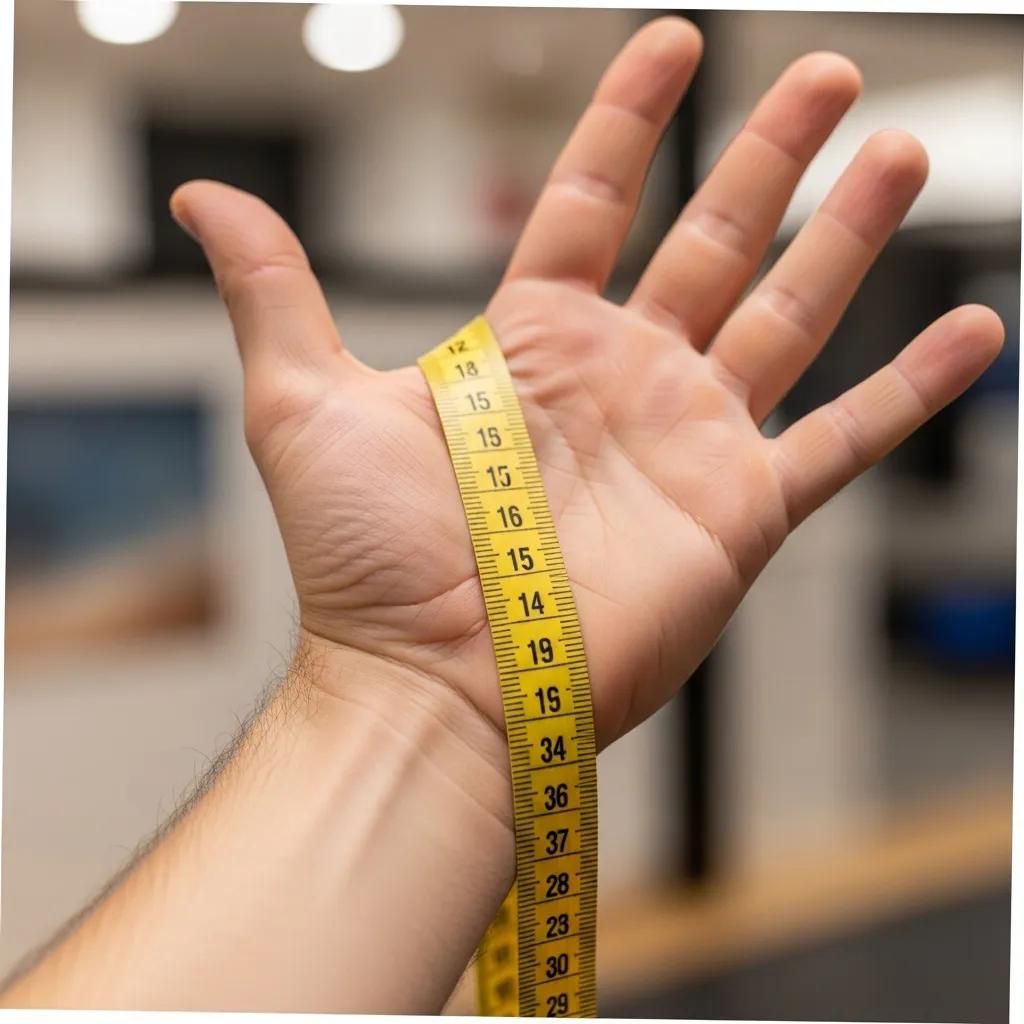
To measure your golf glove size, start by determining the circumference of your dominant hand’s palm, just below the knuckles. Use a flexible measuring tape and ensure it is snug but not too tight. This measurement will help you find your glove size on the manufacturer’s size chart. Additionally, consider the length of your fingers, as some brands may have different sizing standards. A well-fitted glove should feel snug without being restrictive, allowing for natural movement.
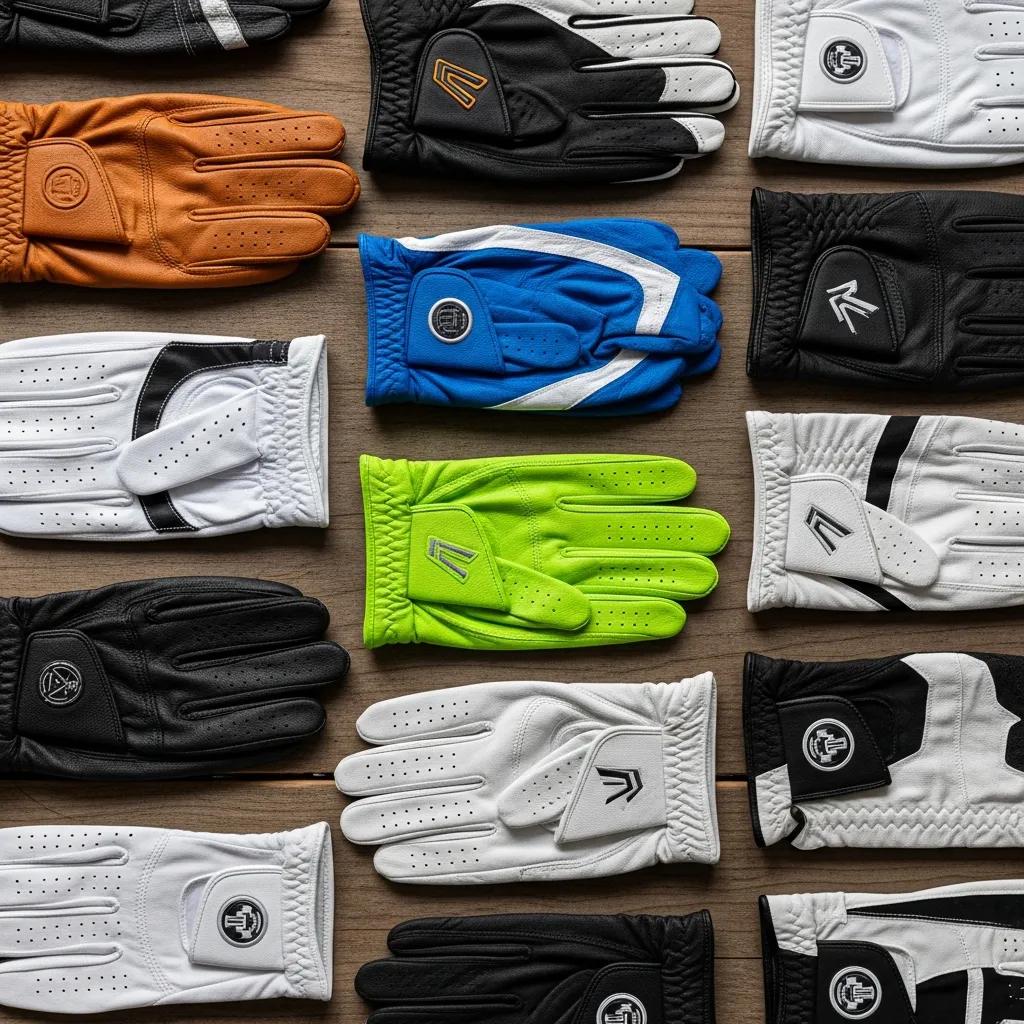
The material of your golf glove significantly impacts its fit, feel, and durability. Golf gloves are typically made from leather or synthetic materials, each offering distinct advantages. Leather gloves, particularly those made from Cabretta leather, provide excellent grip and comfort but may require more care. Synthetic gloves, on the other hand, are often more affordable and can offer better moisture-wicking properties.
Emerging textile technologies, such as those incorporating nanoparticles, further enhance the moisture-wicking and hygienic properties of golf glove materials.
Nanoparticle Textiles for Golf Glove Moisture & Hygiene
The use of nanoparticles for moisture management in textiles has prompted a great deal of research and offers numerous advantages in a variety of uses. Wicking of moisture qualities improvement is one noticeable application. Incorporated nanoparticles or modified textile fibres like titanium dioxide, silica or zinc oxide can help rapidly evaporate perspiration and moisture from the skin surface. It can help to retain the person wearing it relaxed and dry when involved athletic activities and decreases the risk of irritation and friction from long contact with moisture. The textile production has identified uses for nanoparticles like silver nanoparticles with antibacterial characteristics. These nanoparticles work as a barrier against the growth of bacteria, fungi, and other microorganisms that cause odors in fabrics. In the case of athletic clothing, sports apparel, and undergarments in particular, this twofold functioning not only prolongs the life of textile items but also aids in keeping them fresh and hygienic.
Application of Nanoparticles in Textiles for Moisture Management, S Kiran, 2025
| Material Type | Characteristics | Benefits |
|---|---|---|
| Leather | Soft, durable, excellent grip | Superior feel and comfort |
| Synthetic | Lightweight, moisture-wicking | Cost-effective, easy to maintain |
Understanding the differences between these materials can help you choose the right glove for your playing conditions and personal preferences.
Proper care for your golf gloves can extend their lifespan and maintain their performance. Here are some essential maintenance tips to keep your gloves in top condition:
By following these maintenance tips, you can ensure your golf gloves remain in excellent condition for many rounds to come.
When selecting a golf glove, there are additional factors to consider beyond size and material. For instance, the fit around the wrist is crucial for comfort and stability during your swing. Look for gloves with adjustable wrist closures to achieve a secure fit. Additionally, consider the climate in which you play; gloves designed for wet conditions may have enhanced grip features, while those for hot weather may offer better breathability.
Common fit problems include slippage, tightness, and discomfort. If your glove feels too loose, consider trying a smaller size or a model with adjustable features. Conversely, if your glove is too tight, it may restrict movement and affect your swing. Always try on gloves before purchasing, and pay attention to how they feel during practice swings.
Selecting the right golf glove involves understanding sizing, material options, and maintenance practices. By measuring your hand accurately and considering the various factors that affect fit, you can find a glove that enhances your performance on the course. Remember to care for your gloves properly to maximize their lifespan and maintain their effectiveness. With the right glove, you’ll be well-equipped to tackle any challenge on the golf course.
James Haworth is the co-founder of Scale Wear Design, a family-owned apparel brand built alongside his wife, Lisa. With roots in the fishing industry, James launched multiple successful brands before expanding into performance apparel, creating high-quality gear without the traditional retail markup. Under his leadership, Scale Wear has grown rapidly, offering golf, football, fishing, and lifestyle apparel while partnering with brands nationwide. Passionate about innovation and giving back, James has helped raise over $2 million for charities supporting veterans, first responders, and communities across the country.
Before you leave, use code ‘GOLF‘ at checkout